
ピックアップ


-
就活生1000人による「DX企業就職ブランド調査」
NTTドコモや三菱UFJ銀行などランキング上位企業に聞いた、就活生の心をつかむ工夫
-

住宅事件簿
補修費を上回る慰謝料命じる、欠陥住宅訴訟の事件録
-
-
記者の眼
2023年の特許出願は30万件超、これは良い兆候かもしれない
-

モバイル一刀両断
ポテンシャルを生かし切れない5G、さらに踏み込んだ整備目標は必要か
-
-

日本大改造
前橋の白井屋ホテルが接する「馬場川通り」、民間主導の200m改修に建築家が集結
-
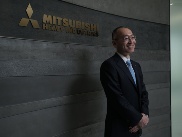
技術トップに聞く
ベンチャーしのぐ短期決戦、三菱重工が進める「ピボット開発」
-
-

裏読みスマホ料金
NTTドコモの「ポイ活プラン」、キャンペーンの有無で得しやすさに大きな差
-
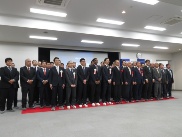
半導体工場探訪
よみがえったルネサス甲府工場、のべ8万人でEV向けパワー半導体の戦略拠点に
-
ニュース
-

シノプシスがSBOMツールBlack Duckの新製品、商用コンポーネントも読み込み可に
米Synopsys(シノプシス)は2024年4月17日、ソフトウエア構成解析(SCA、Software Composition Analysis)ツールの新製品「Black …
-
改正NTT法が参院で可決・成立、NTTと競合3社がそれぞれコメント
2024年4月17日、「日本電信電話株式会社等に関する法律の一部を改正する法律」(改正NTT法)が参議院本会議で可決・成立した。NTTによる研究成果の開示義務は廃止となるほか…
-
東大とNTT東が産学協創協定、自律型・分散型への主導で日本の社会課題解決へ
東京大学とNTT東日本は2024年4月17日、自律型・分散型の地域を支える次世代デジタルネットワーク基盤の構築と社会起業家の創出を目的とした産学協創協定を締結したと発表した。

トピックス
-
日経クロステック編集部おススメ
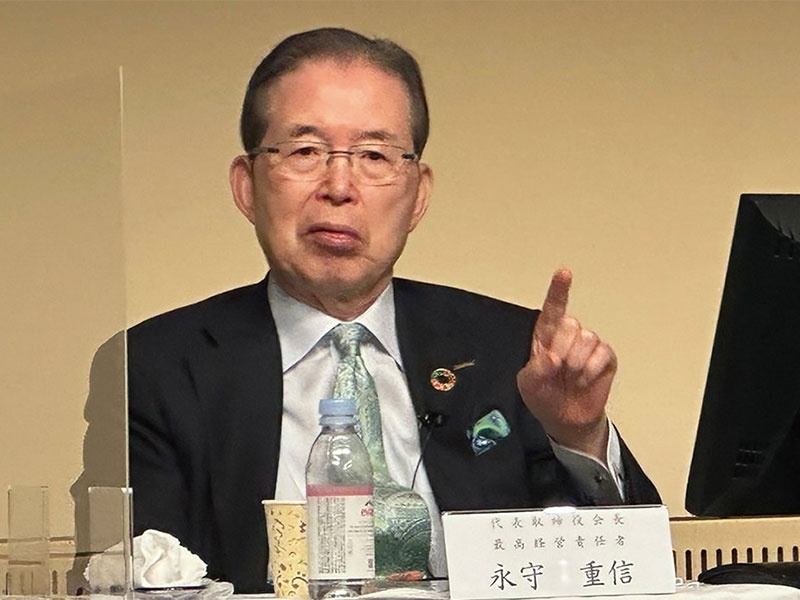
ニデックの新経営体制、世界をどう攻めるか
-
情報技術マンスリー・アーカイブス
IT大手2024年春闘/待ったなし!物流2024年問題/みずほ、なるか4度目の正直
-
先端技術マンスリー・アーカイブス
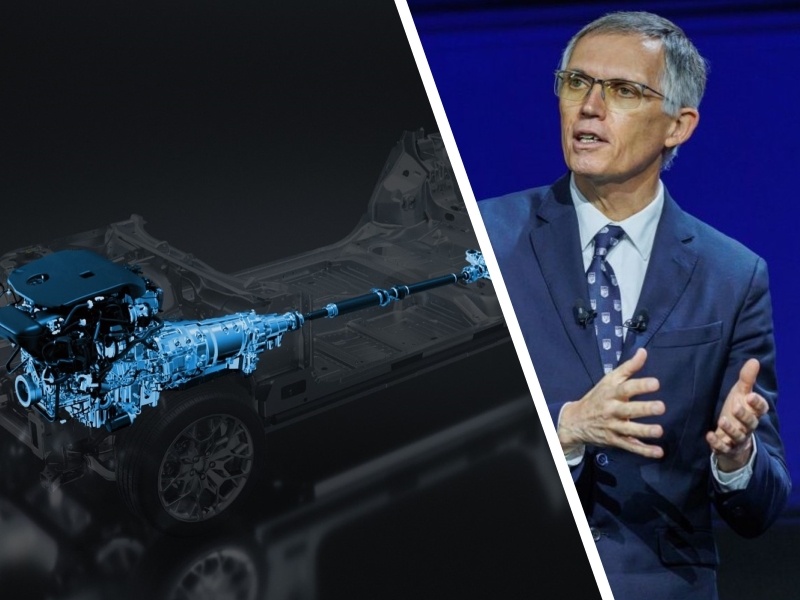
「EV優先」設計でエンジンに逃げ道/難関だらけのEUV露光装置/寒暖差270℃を耐えたSLIM、月面活動に活路
-
建設業界マンスリー・アーカイブス
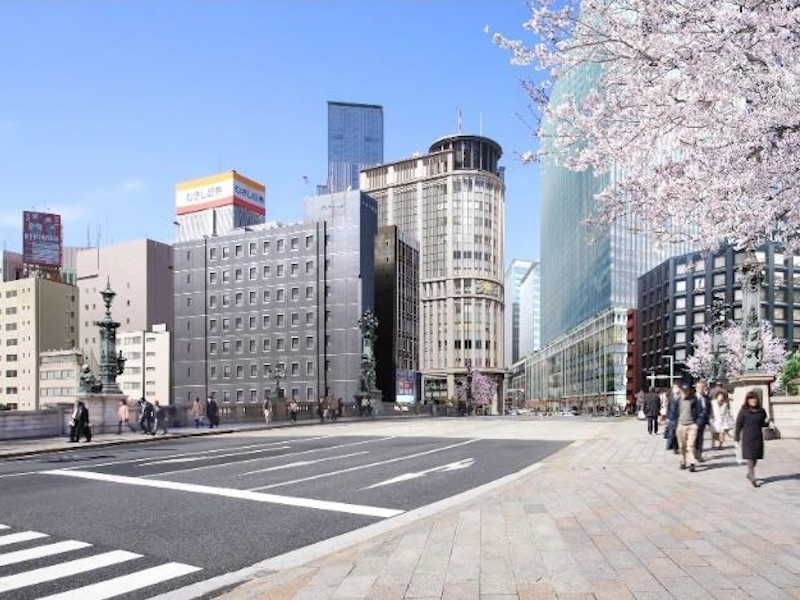
日本橋の首都高地下化、大成建設が受注/紀の川ICの変状原因は盛り土の透水性低下/監理技術者の専任緩和へ
-
知ったかぶりをする前に読んでおきたい「IT基本用語辞典」
-
仕事に役立つ! IT・電機・製造・建築・土木の用語集&Excel・Linux・ネットワークのコマンド集
-
ぜひお申し込みください「日経クロステック登録会員(無料)」の特典を紹介
-
有料会員は全記事読み放題!見たい記事が必ず探せる「日経クロステック活用ガイド」

特設サイト





日経クロステック/技術メディアの本
-
図解 木造住宅トラブルワースト20+3 「雨漏り事故」「構造事故」の事例から学ぶ原因と対策
木造住宅のトラブルを「雨漏りワースト20」と「構造ワースト3」として類型化。原因と対策と損害額が...
-
東京大改造2030 都心の景色を変える100の巨大プロジェクト
建築や土木の専門記者が取材した、一歩踏み込んだ東京の再開発プロジェクトを豊富な写真や図面で紹介し...
-
一級建築士矩子と考える危ないデザイン
住宅や建築物で起こる身近な事故と背景、効果的な防止策を人気建築漫画「一級建築士矩子の設計思考」の...
-
ソフトバンク もう一つの顔 成長をけん引する課題解決のプロ集団
ソフトバンクにはモバイルキャリア事業以外のもう一つの顔が存在する。本書ではキーパーソンへのインタ...
-
検証 能登半島地震 首都直下・南海トラフ 巨大地震が今起こったら
地震発生直後に現地で撮影した被害写真を多数掲載。専門家や施設関係者への取材から見えてきた建築・土...
-
次世代自動車2024
【4月30日まで早割実施中!】日経Automotiveが、激動する自動車業界の1年を振り返り、今...


注目のイベント
-
【4月19日】データの活用と保護を両立、「段階的なDX」を実現するIT基盤とは?
2024年 4月 19日 14:00
-
【4月25日】ハイパーバイザーの基本を学ぶ、参加者にはもれなくプレゼント進呈
2024年4月25日(木)
-
プラチナフォーラム 2024 Spring
2024年 4月 26日(金) 13:00~17:00(予定)
-
日経クロステックNEXT 関西 2024
2024年5月16日(木)~5月17日(金)
-
日経ビジネスCEOカウンシル
2024年5月16日(木)17:00~19:50
-
VUCA時代に勝ち残る戦略的サプライチェーン構築に向けて
2024年 5月 24 日(金) 10:00~16:20
-
人手不足を乗り越える 日本の産業界成長のシナリオ2024
2024年5月30日(木)10:20~17:45
-
キャリア・オーナーシップが社会を変える
2024年6月3日(月)~6月5日(水)
-
DX Insight 2024 Summer
2024年6月4日(火)、5日(水)
-
デジタル立国ジャパン2024
2024年6月10日(月)、11日(火)


 注目記事
注目記事


特設サイトアーカイブ



日経クロステック Special
What's New!
IT
- 【生成AI事例】デジタルで現場をDX化
- 「クラウド時代のあるべき運用」を熱く議論
- 業務や役割に応じた「社員に最適なPC」
- 生成AI活用へ「待ったなし」成功の秘訣
- 目指すは相互に行き来できるマルチクラウド
- 「稼ぐ力」を劇的に高めるROIC経営
- 「サーバ―」部門満足度トップ企業に訊く
- 大企業にもキントーンの導入が進む理由
- XDRは「攻めの投資」!運用の三原則とは
- 製造業DX「データドリブン経営成功のシナリオとは」
- 欧州トップ企業語る日本のセキュリティー
- NTTドコモ支援の実践型教育プログラム
- 最新の「ポスト認証攻撃」をいかに防ぐか?
- ビジネスPC、ITデバイス購買DXを推進
- 大教大とマウスパソコン教室の在り方を研究
- ジェイテクトエレクトロニクスのDX事例
- DXを成功に導くITインフラとは?
- 生成AIの活用の鍵は「内製とアジャイル」
- AIと自動化でエンジニアの能力を解き放て
- 日本初!東京港を横断する通信網が誕生へ
- 最先端のAI技術を支えるNTTPC
- NTTデータに優秀なデジタル人財が集まる理由
- ゼロトラスト成功の秘訣を神田れいみと探る
- 神田れいみと学ぶ「ネットワーク活用白書」
- 専門家が斬る日本の意識と対策の現状は?
- 3つのペルソナで、働き方に合わせたPC選び
- 地域創生で重要になる「事業化」の視点とは
- オリックス銀行×富士通時田社長 特別鼎談
- ERPプロジェクト≫IT人財の必須条件は
- マネージドサービスが安価に利用できる理由
- 脱レガシー案件≫SIerに必要な人財像は
- DXや生成AI活用に挑む大阪府
- イノベーションの起爆剤
- 3段階で考える、DXで企業力を高める方法
- 大規模プロジェクトでPMが注意すべき点は
- ビジネス戦略と連動したデータマネジメント
- 守りながら攻める“製造DX”の方法論とは
- ランサムウエアから診療データはこう守る
- 最新サーバーに学ぶ熱設計の最前線
- PC管理の課題を課題をまるごと解決
- 日向市が取り組む生成AIモデルとは?
- 日本語に強い「和製生成AIモデル」が誕生
- 動画解説>生成AIからDX変革まで
- 大阪・名古屋エリアのDXが注目される理由
- 最適なネットワークを早く安く簡単に実現!
- セキュリティ×スキルUP≫JSOLの提案
- 力点は「未来予測」へ:データ利活用の勘所
- 生成AI活用でSAP BTPの価値が進化
- ServiceNowでDXを加速≫方法は
- SAPプロジェクトの全体像をいかに描くか
